
Recently, the Ministry of Education's Basic Education Teaching Guidance Committee has released the "Guidelines for General Artificial Intelligence Education in Primary and Secondary (2025 Edition)" and the "Guidelines for the Use of Fully-fledged Artificial Intelligence by Primary and Secondary School Students (2025 Edition)" aiming to scientifically and normatively promote AI education across all stages of learning and to boost the development of AI education in primary and secondary schools. The "Guidelines General Artificial Intelligence Education in Primary and Secondary Schools (2025 Edition)" aims to build a comprehensive and scientific AI education system with the core focus on cultivating competencies. a spiral curriculum design, it achieves the development of competencies from cognitive enlightenment to innovative practice: the primary school stage emphasizes interest cultivation and basic cognition; the junior high school strengthens the understanding of technical principles and basic applications; and the senior high school stage focuses on systematic thinking and innovative practice. At the same time, it promotes the transition of AI from local pilot projects to full coverage. Encouraging exploration of incorporating AI literacy into the comprehensive quality evaluation of students.
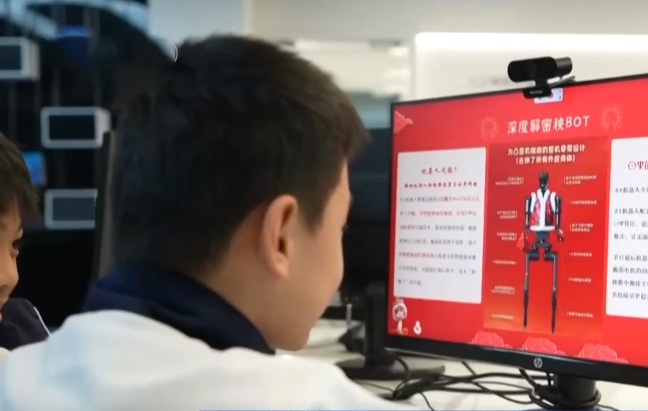
近日,教育部基础教育教学指导委员会发布《中小学人工智能通识教育指南(2025年版)》和《中小学生成式人工智能使用指南(2025年版)》,科学规范推进人工智能全学段教育,助推中小学人工智能教育向前发展。
《中小学人工智能通识教育指南(2025年版)》旨在以素养培育为核心,构建一套科学完备的人工智能通识教育体系,通过螺旋式课程设计实现从认知启蒙到创新实践的素养发展:小学阶段注重兴趣培养与基础认知,初中阶段强化技术原理与基础应用,高中阶段注重系统思维与创新实践。同时,推动人工智能教育从局部试点转向全域覆盖。
鼓励探索将人工智能素养纳入学生综合素质评价
在人工智能通识教育教学评价方面,《通识教育指南》明确,要构建多元评价体系,注重过程性评价与结果性评价相结合。完善评价实施机制,形成学生人工智能素养成长档案。鼓励探索将人工智能素养纳入学生综合素质评价。
《中小学生成式人工智能使用指南(2025年版)》,围绕生成式人工智能在中小学教育中的应用场景,明确各学段使用规范,确保技术安全、合理、有效地辅助教学、促进学生个性化学习、推动教育管理智能化。
分学段差异化应用 避免学生过度技术依赖
《中小学生成式人工智能使用指南(2025年版)》明确了各学段对人工智能的使用规范,在提出“分学段差异化应用”的同时,强调要避免学生的过度技术依赖。
《使用指南》提出,小学阶段学生在教师、家长帮助下使用开放式内容生成功能,防止不合理使用影响学生知识建构与思维发展。初中阶段可适度探索生成内容的逻辑性分析,指导学生交叉验证生成内容的合理性。高中阶段可结合技术原理开展探究性学习,引导学生自主评估生成内容的社会影响。
为防范学生因过度依赖生成式人工智能而弱化独立思考能力,《使用指南》还明确禁止学生直接复制人工智能生成内容作为作业或考试答案,并限制在创造性任务中滥用人工智能,从源头上杜绝“代劳式”使用行为。同时,强化教师的引导职责,要求教师在教学实践中积极开展批判性思维训练,通过组织学生分析人工智能生成文本的逻辑缺陷、价值倾向及文化偏差,培养学生对技术输出内容的质疑精神与甄别能力,切实提升信息处理的自主性。
为保障学生隐私与数据安全,《使用指南》严禁师生在使用生成式人工智能工具时输入考试试题、个人身份信息等敏感数据。各中小学校需建立健全生成式人工智能工具“白名单”制度,经严格审核评估,仅允许符合教育场景需求且数据安全合规的工具进入校园使用。